
How Nutrition Affects Women’S Mental Health
Key Takeaways
- Specific foods and nutrients can directly impact brain function and mood.
- Balanced diets rich in certain vitamins and minerals are important for mental well-being.
- The gut microbiome plays a significant role in mental health and is influenced by diet.
- Hormonal changes in women can affect how nutrition impacts their mental state.
- Simple dietary changes can lead to noticeable improvements in mood and energy levels.
- Hydration is a key, often overlooked, factor in mental clarity and emotional balance.
Many people wonder about How Nutrition Affects Women’s Mental Health. It can seem like a lot to take in at first, but it doesn’t have to be confusing. This guide will break down what you need to know in a simple, easy-to-follow way.
We’ll look at the connection between what you eat and how you feel mentally. You’ll learn practical tips to help you feel better, starting right away. Let’s explore how your food choices can make a big difference in your mood and well-being.
![How Nutrition Affects Women’S Mental Health[1]](https://mycleanseplan.com/wp-content/uploads/2026/01/How_Nutrition_Affects_WomenS_Mental_Health1.jpg)
The Gut-Brain Connection: More Than Just Digestion
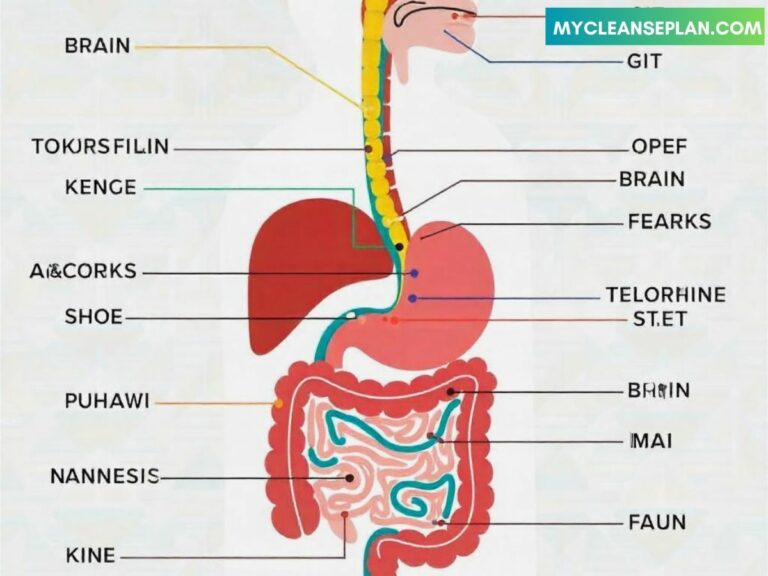
Your gut and your brain are constantly talking to each other. This connection, often called the gut-brain axis, is super important. What you eat directly affects the trillions of tiny organisms living in your gut, known as the gut microbiome.
These microbes produce chemicals that can influence your mood, stress levels, and even your thoughts.
Good Bugs, Good Moods
When your gut microbiome is healthy, it’s full of helpful bacteria. These good bacteria produce things like serotonin, a chemical that helps you feel happy and calm. About 95% of the body’s serotonin is made in the gut!
If the bad bacteria take over, it can lead to inflammation and affect your brain function, potentially making you feel anxious or down.
Feeding Your Friendly Gut Bacteria
To keep your gut happy, you need to feed it the right things. Foods rich in fiber are like food for your good gut bacteria. Think fruits, vegetables, whole grains, and legumes.
These foods help the good bugs thrive and keep the bad ones in check. When you eat a diet low in fiber and high in processed foods, it can upset this balance.
Essential Nutrients for a Healthy Mind
Certain vitamins and minerals are like the building blocks for a healthy brain. When women don’t get enough of these, it can show up as mood swings, fatigue, or difficulty concentrating.
B Vitamins: Energy and Mood
B vitamins, especially B6, B12, and folate, are vital for brain health. They help your brain make neurotransmitters, which are chemical messengers that control your mood. Low levels of B vitamins have been linked to depression and fatigue.
You can find these in leafy greens, eggs, lean meats, and whole grains.
Omega-3 Fatty Acids: Brain’s Best Friend
These are fats that your body can’t make on its own, so you have to get them from food. Omega-3s are really important for brain cell function and reducing inflammation. They are found in fatty fish like salmon and mackerel, as well as in seeds like flaxseeds and chia seeds.
Studies suggest they can help with symptoms of depression and anxiety.
Magnesium: The Calming Mineral
Magnesium is involved in hundreds of processes in your body, including those that affect mood and stress response. When you’re stressed, your body uses up magnesium faster. Low magnesium levels can contribute to anxiety, irritability, and even sleep problems.
Good sources include dark chocolate, nuts, seeds, and leafy green vegetables.
Iron: Fighting Fatigue and Foggy Thinking
Iron is essential for carrying oxygen to your brain. When you don’t have enough iron, you can feel very tired, weak, and have trouble thinking clearly. This is especially common for women due to menstruation.
Iron deficiency anemia can significantly impact mood and energy levels. You can get iron from red meat, beans, lentils, and spinach.
How Hormones Play a Role
Women experience hormonal shifts throughout their lives – during their menstrual cycle, pregnancy, postpartum, and menopause. These changes can make them more sensitive to the effects of nutrition on their mental health.
The Menstrual Cycle Connection
In the days leading up to menstruation, many women experience premenstrual syndrome (PMS). Diet can play a big part in how severe PMS symptoms are. Eating balanced meals, managing sugar intake, and ensuring enough magnesium and B vitamins can help reduce mood swings, irritability, and fatigue associated with PMS.
Pregnancy and Postpartum
During pregnancy and the postpartum period, nutritional needs increase significantly. Adequate intake of folate, iron, and omega-3s is crucial for both the mother’s and baby’s brain development and emotional well-being. Poor nutrition during this time can increase the risk of postpartum depression.
Menopause and Mood
As women approach and go through menopause, fluctuating hormone levels can impact mood, sleep, and energy. A diet rich in calcium, vitamin D, and healthy fats can support bone health and potentially help manage some mood-related symptoms of menopause. Staying hydrated is also key.
The Impact of Blood Sugar Levels
What you eat has a direct effect on your blood sugar levels. When your blood sugar spikes and then crashes, it can lead to mood swings, irritability, and anxiety. This is often called a “sugar crash.”
Steady Energy, Steady Mood
To keep your blood sugar stable, it’s best to eat balanced meals and snacks that combine protein, healthy fats, and complex carbohydrates. For example, instead of a sugary donut for breakfast, try eggs with whole-wheat toast and avocado. This provides sustained energy and prevents those sharp drops in blood sugar that can affect your mood.
Limiting Processed Foods and Sugary Drinks
Foods high in added sugars and refined carbohydrates cause rapid blood sugar spikes. These include candy, sugary cereals, white bread, and soda. Cutting back on these and focusing on whole, unprocessed foods can make a big difference in how you feel mentally throughout the day.
Hydration: An Often-Forgotten Key
It might seem simple, but staying hydrated is incredibly important for your brain and your mood. Even mild dehydration can lead to fatigue, headaches, and difficulty concentrating.
Water for Brain Power
Your brain is about 75% water. When you don’t drink enough, your brain can’t function at its best. This can affect your mood, making you feel irritable or anxious.
Aim to drink plenty of water throughout the day. Herbal teas and water-rich fruits and vegetables also contribute to your daily fluid intake.
How Much is Enough?
A general guideline is to drink about 8 glasses of water a day, but this can vary depending on your activity level and the climate. Listening to your body’s thirst signals is a good way to know if you need to drink more.
Putting It All Together: A Balanced Plate for Better Moods
Creating a healthy diet for your mental well-being doesn’t mean giving up everything you enjoy. It’s about making informed choices and focusing on balance.
Focus on Whole Foods
Prioritize foods that are as close to their natural state as possible. This includes plenty of fruits, vegetables, lean proteins, whole grains, and healthy fats. These foods provide the essential nutrients your brain needs to function well and help keep your mood stable.
Meal Timing Matters
Try to eat regular meals and snacks throughout the day to keep your blood sugar steady. Skipping meals can lead to energy dips and make you more prone to cravings for unhealthy foods, which can negatively impact your mood.
Listen to Your Body
Pay attention to how different foods make you feel. Some people might find that certain foods trigger headaches or mood changes. Keeping a food journal can help you identify these patterns.
FAQ Of How Nutrition Affects Women’S Mental Health
Question: Can diet really make a difference in depression?
Answer: Yes, diet can significantly influence mood. A balanced diet rich in nutrients like omega-3 fatty acids, B vitamins, and magnesium can support brain health and may help improve symptoms of depression for some people. While diet isn’t a sole cure, it’s an important supportive factor.
Question: What foods should I avoid if I’m feeling anxious?
Answer: Excessive caffeine, highly processed foods, and foods high in sugar can sometimes worsen anxiety symptoms by affecting blood sugar levels and stimulating the nervous system. Limiting these and focusing on calming, nutrient-dense foods can be helpful.
Question: Is it okay to have treats occasionally?
Answer: Absolutely. The goal is balance, not perfection. Enjoying occasional treats in moderation is part of a healthy relationship with food and won’t derail your progress in supporting your mental health.
Question: How quickly can I expect to see changes in my mood from dietary changes?
Answer: The timeline varies for everyone. Some people notice improvements in energy and mood within a few weeks of making consistent, healthy dietary changes, while for others, it might take a bit longer as their body adjusts and nutrient levels improve.
Question: Should I take supplements if I’m worried about my nutrition for mental health?
Answer: It’s best to try and get most of your nutrients from whole foods first. If you’re concerned about specific deficiencies, it’s a good idea to talk to a doctor or a registered dietitian. They can help determine if supplements are right for you.
Final Thoughts
Exploring How Nutrition Affects Women’s Mental Health reveals a powerful connection between what we eat and how we feel.
It’s about recognizing that your body, and especially your brain, thrives on good fuel. From the gut microbes that influence your mood to the essential vitamins and minerals that build brain health, every bite counts.
Hormonal shifts specific to women also mean that paying attention to nutrition is even more important for maintaining emotional balance.
Stable blood sugar, achieved through balanced meals, can prevent those jarring mood swings and energy crashes, while staying hydrated keeps your mind clear and sharp.
Making small, consistent changes, like adding more fiber-rich foods and lean proteins to your plate, can lead to noticeable improvements in your overall sense of well-being and your ability to handle stress.
Start by focusing on one or two areas, like increasing your water intake or adding a serving of vegetables to each meal. These steps can pave the way for a happier, healthier you, both inside and out.
![How Calorie Restriction Impacts Female Hormones[1]](https://mycleanseplan.com/wp-content/uploads/2026/01/How_Calorie_Restriction_Impacts_Female_Hormones1-768x448.jpg)
![Why Women Are At Higher Risk Of Thyroid Issues[1]](https://mycleanseplan.com/wp-content/uploads/2026/01/Why_Women_Are_At_Higher_Risk_Of_Thyroid_Issues1-1-768x448.jpg)

![Why Preventive Nutrition Matters For Women[1]](https://mycleanseplan.com/wp-content/uploads/2026/01/Why_Preventive_Nutrition_Matters_For_Women1-768x448.jpg)
![What Women Should Know About Metabolic Health[1]](https://mycleanseplan.com/wp-content/uploads/2026/01/What_Women_Should_Know_About_Metabolic_Health1-768x448.jpg)