
How Nutrition Can Ease Menopause Symptoms
Key Takeaways
- Eating certain foods can help manage hot flashes and night sweats.
- Dietary changes can improve mood swings and emotional well-being.
- Specific nutrients are important for bone health during menopause.
- Fiber-rich foods can help with digestive issues common in menopause.
- Hydration plays a key role in managing several menopausal discomforts.
Many people wonder about How Nutrition Can Ease Menopause Symptoms, and it can seem a bit tricky at first. You might be feeling overwhelmed with all the advice out there. Don’t worry!
We’re going to break it down into simple steps that make sense. Get ready to discover practical ways food can help you feel better as you go through this change.
![How Nutrition Can Ease Menopause Symptoms[1]](https://mycleanseplan.com/wp-content/uploads/2026/01/How_Nutrition_Can_Ease_Menopause_Symptoms1.jpg)
Understanding Menopause and Nutrition
Menopause is a natural life stage for women, typically occurring between the ages of 45 and 55. It’s a time when a woman’s ovaries stop releasing eggs and her body’s production of estrogen and progesterone decreases significantly. This hormonal shift can lead to a variety of symptoms that can affect daily life. These symptoms are not the same for everyone, and their intensity can vary greatly. Some women sail through menopause with very few issues, while others find it quite challenging.
The symptoms themselves can be a mixed bag. Hot flashes and night sweats are perhaps the most well-known, but there’s more to it. You might also experience changes in mood, sleep disturbances, vaginal dryness, weight gain, and a decrease in energy. Thinking about how to handle these changes can feel like a puzzle.
This is where nutrition comes in. What you eat can have a real impact on how you feel during menopause. It’s not about strict diets or giving up everything you enjoy. Instead, it’s about making smart choices that support your body as it goes through this transition. Focusing on the right foods can provide relief from many of these common symptoms and help you maintain your overall health and well-being.
The Role of Diet in Managing Menopause Symptoms
Your diet is a powerful tool. By making conscious food choices, you can directly influence your body’s hormonal balance and reduce the severity of menopausal symptoms. It’s about providing your body with the nutrients it needs to function optimally during this time of change.
Managing Hot Flashes and Night Sweats
Hot flashes are those sudden feelings of intense heat, often accompanied by sweating and a rapid heartbeat. They can be triggered by certain foods, and eating others can help cool things down.
Phytoestrogens are natural compounds found in plants that can mimic the effects of estrogen in the body. Including foods rich in phytoestrogens in your diet may help balance hormone levels and reduce the frequency and intensity of hot flashes.
Foods to Consider:
- Soy products: Tofu, tempeh, edamame, and soy milk.
- Flaxseeds: Sprinkle them on yogurt, cereal, or in smoothies.
- Legumes: Lentils, chickpeas, and beans.
- Certain fruits and vegetables: Apples, berries, and carrots.
It’s also worth noting what to limit. Spicy foods, caffeine, and alcohol can sometimes trigger hot flashes for some women. Keeping a food diary can help you identify your personal triggers.
Improving Mood and Emotional Well-being
Hormonal fluctuations during menopause can affect neurotransmitters in the brain, leading to mood swings, irritability, and even symptoms of anxiety or depression. Nutrition plays a key role in supporting brain health and stabilizing mood.
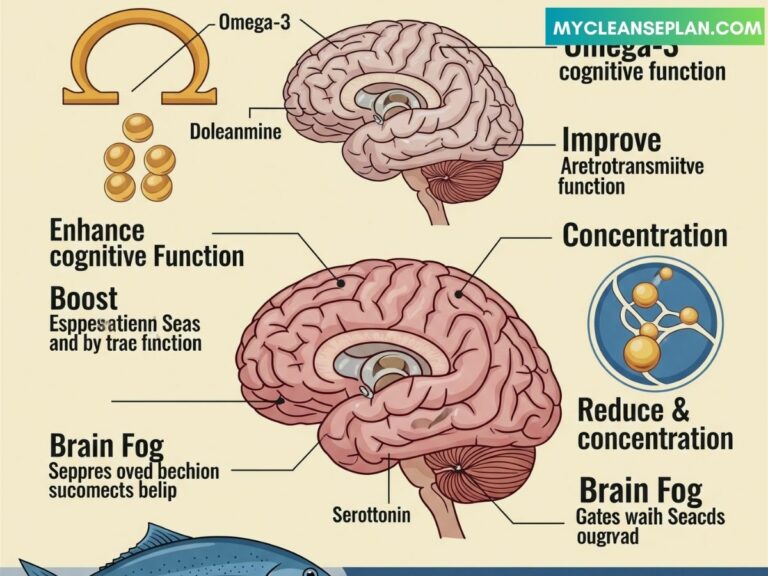
Omega-3 fatty acids are essential fats that are vital for brain function and can help reduce inflammation, which is often linked to mood disorders.
Sources of Omega-3s:
- Fatty fish: Salmon, mackerel, sardines, and tuna. Aim for at least two servings per week.
- Nuts and seeds: Walnuts, chia seeds, and flaxseeds.
- Plant-based oils: Flaxseed oil and canola oil.
B vitamins are also crucial for energy production and neurotransmitter synthesis. Whole grains, lean meats, eggs, and leafy green vegetables are good sources. Magnesium, found in dark leafy greens, nuts, and seeds, is also important for mood regulation and can help with sleep.
Supporting Bone Health
As estrogen levels drop, women are at a higher risk of developing osteoporosis, a condition where bones become weak and brittle. This is because estrogen plays a role in maintaining bone density. Getting enough calcium and Vitamin D is absolutely critical for keeping your bones strong.
Calcium is the building block of bones. Vitamin D helps your body absorb calcium.
Calcium-Rich Foods:
- Dairy products: Milk, yogurt, and cheese (if you tolerate dairy).
- Fortified foods: Some plant-based milks, orange juices, and cereals.
- Leafy green vegetables: Kale, broccoli, and bok choy.
- Canned fish with bones: Sardines and salmon.
Vitamin D Sources:
- Sunlight: Your body produces Vitamin D when exposed to sunlight. Aim for 10-15 minutes a few times a week, but be mindful of sun protection.
- Fatty fish: Salmon, mackerel.
- Fortified foods: Milk, some yogurts, and cereals.
- Supplements: If your intake is low, a Vitamin D supplement may be recommended by your doctor.
Other minerals like phosphorus, magnesium, and potassium also contribute to bone health, and a balanced diet rich in fruits, vegetables, and whole grains will typically provide these.
Addressing Digestive Issues
Many women experience changes in their digestion during menopause, such as bloating, constipation, or changes in bowel habits. This can be due to hormonal shifts affecting gut motility and changes in metabolism.
Fiber is your friend when it comes to digestive health. It adds bulk to your stool, helps regulate bowel movements, and can contribute to a feeling of fullness, which might help with weight management.
High-Fiber Foods:
- Whole grains: Oats, quinoa, brown rice, whole wheat bread.
- Fruits: Berries, apples, pears, prunes.
- Vegetables: Broccoli, Brussels sprouts, carrots, sweet potatoes.
- Legumes: Beans, lentils, peas.
- Nuts and seeds: Almonds, chia seeds, flaxseeds.
Staying hydrated is also very important for digestion, especially when increasing fiber intake. Water helps the fiber move smoothly through your digestive system.
Managing Weight Changes
Weight gain, particularly around the abdomen, is a common concern during menopause. This is often due to a combination of hormonal changes, a slowing metabolism, and sometimes a decrease in physical activity. While nutrition alone can’t reverse all of these factors, making smart food choices can help.
Focus on nutrient-dense foods that keep you feeling full and satisfied. Lean proteins, plenty of vegetables, and whole grains are excellent choices. These foods provide essential vitamins and minerals without excessive calories.
Tips for Weight Management:
- Portion control: Be mindful of how much you are eating, even healthy foods.
- Limit processed foods: These are often high in sugar, unhealthy fats, and empty calories.
- Choose lean proteins: Chicken breast, fish, beans, and lentils.
- Fill up on vegetables: They are low in calories and high in fiber and nutrients.
- Stay hydrated: Drinking water can help you feel fuller and boost your metabolism.
Hydration is Key
Water is essential for almost every bodily function, and during menopause, it becomes even more important. Proper hydration can help alleviate several symptoms, from dry skin and vaginal dryness to headaches and even contribute to managing hot flashes by helping regulate body temperature.
Aim to drink plenty of water throughout the day. Herbal teas, such as peppermint or chamomile, can also be good choices and may offer additional benefits. Be mindful of sugary drinks and excessive caffeine, which can have a dehydrating effect.
Putting it All Together: A Balanced Approach
The best approach to managing menopause symptoms through nutrition is a balanced and sustainable one. It’s not about following restrictive fad diets, but rather about creating a dietary pattern that nourishes your body, supports hormonal balance, and provides relief from symptoms.
Consider the following as a guide:
Your Daily Plate
Think of filling your plate with a variety of colorful foods. A good rule of thumb is to have:
* Half your plate filled with non-starchy vegetables (leafy greens, broccoli, peppers, tomatoes).
* A quarter of your plate with lean protein (fish, chicken, beans, tofu).
* A quarter of your plate with whole grains or healthy carbohydrates (quinoa, brown rice, sweet potatoes).
* Include healthy fats (avocado, nuts, seeds, olive oil).
Timing of Meals
Some women find that eating smaller, more frequent meals throughout the day helps manage energy levels and can prevent spikes and dips that might contribute to mood swings or cravings. Listen to your body and find what works best for you.
Listen to Your Body
Everyone is different. What works for one person might not work for another. Pay attention to how different foods make you feel. If a particular food seems to trigger a symptom, try reducing or eliminating it and see if it makes a difference. Keeping a food and symptom diary can be a very useful tool for this.
FAQ Of How Nutrition Can Ease Menopause Symptoms
Question: Can certain foods help with vaginal dryness during menopause?
Answer: While not a direct cure, maintaining good overall hydration by drinking plenty of water can help with dryness. Some women find that increasing their intake of healthy fats, such as those found in avocados, nuts, and olive oil, can also be beneficial for skin and mucous membrane health.
Question: How much water should I drink each day during menopause?
Answer: A general guideline is to aim for around 8 glasses (about 2 liters) of water per day. However, this can vary depending on your activity level, the climate, and your individual needs. Listening to your body and drinking when you feel thirsty is key.
Question: Are there any specific vitamins or minerals that are particularly important during menopause?
Answer: Yes, calcium and Vitamin D are very important for maintaining bone health. Magnesium is also beneficial for mood and sleep, and B vitamins are essential for energy. Omega-3 fatty acids can support brain health and reduce inflammation.
Question: Can I still enjoy my favorite foods while managing menopause symptoms?
Answer: Absolutely! It’s about balance and moderation. You don’t need to give up all your favorite foods.
The focus is on incorporating more nutrient-rich foods into your diet and being mindful of potential triggers. Enjoying treats in moderation is part of a healthy lifestyle.
Question: Will dietary changes alone resolve all my menopause symptoms?
Answer: Nutrition can significantly help manage many menopause symptoms and improve your overall well-being. However, menopause is a complex transition, and sometimes a multi-faceted approach is needed, which might include lifestyle changes like exercise, stress management, and potentially medical advice from your doctor.
Final Thoughts
Making thoughtful food choices can be a powerful ally in managing the changes that come with menopause.
By focusing on a diet rich in fruits, vegetables, whole grains, lean proteins, and healthy fats, you provide your body with the essential nutrients it needs to feel its best.
This dietary approach can help reduce the frequency and severity of hot flashes, support a more stable mood, strengthen your bones, and aid your digestive system.
Remember that consistency is key, and small, sustainable changes often lead to the most significant improvements over time.
Don’t be afraid to experiment and discover what foods make you feel most vibrant and energized.
Embracing these nutritional strategies can empower you to navigate this natural phase with greater comfort and well-being, fostering a healthier and happier you.
![The Link Between Diet And Depression In Women[1]](https://mycleanseplan.com/wp-content/uploads/2026/01/The_Link_Between_Diet_And_Depression_In_Women1-768x448.jpg)
![How Nutrition Supports Healthy Aging In Women[1]](https://mycleanseplan.com/wp-content/uploads/2026/01/How_Nutrition_Supports_Healthy_Aging_In_Women1-768x448.jpg)
![What Happens To Hormones During Pms[1]](https://mycleanseplan.com/wp-content/uploads/2026/01/What_Happens_To_Hormones_During_Pms1-768x448.jpg)
![Signs Of High Cortisol In Women[1]](https://mycleanseplan.com/wp-content/uploads/2026/01/Signs_Of_High_Cortisol_In_Women1-768x448.jpg)
![Why Women Have More Sleep Problems[1]](https://mycleanseplan.com/wp-content/uploads/2026/01/Why_Women_Have_More_Sleep_Problems1-768x448.jpg)