
The Link Between Diet And Depression In Women
Key Takeaways
- Certain foods can positively or negatively impact mood and energy levels.
- Nutrients like omega-3 fatty acids, B vitamins, and magnesium play a role in brain health.
- Processed foods and high sugar intake can contribute to mood swings and feelings of fatigue.
- A balanced diet rich in fruits, vegetables, and whole grains supports better mental well-being.
- Hydration is important for overall mood and cognitive function.
- Making gradual dietary changes is more effective than trying to do everything at once.
It can feel a bit overwhelming when you first start thinking about The Link Between Diet and Depression in Women. There are so many things to consider, and it’s easy to get lost. But don’t worry!
We’re going to break it all down in a way that’s easy to follow. You’ll learn how the foods you eat can affect how you feel, and we’ll show you simple steps to make positive changes. Get ready to discover how small food swaps can make a big difference in your mood and energy.
![The Link Between Diet And Depression In Women[1]](https://mycleanseplan.com/wp-content/uploads/2026/01/The_Link_Between_Diet_And_Depression_In_Women1.jpg)
What is The Link Between Diet and Depression in Women?
When we talk about The Link Between Diet and Depression in Women, we’re looking at how the food we choose to eat can really affect our mood, energy levels, and even how we feel mentally. It’s not just about what tastes good; it’s about what our bodies and brains need to work their best. For women, this link can sometimes feel especially important because of different hormonal changes and life stages they might go through.
Think of your body like a car. If you put the wrong kind of fuel in it, it’s not going to run smoothly, right? The same goes for us.
The nutrients we get from food are like the fuel and the building blocks for everything our body and brain do, including managing our emotions and stress. When we don’t get the right nutrients, it can lead to feeling down, tired, or irritable.
It’s a common challenge for beginners because it can seem like a lot of information, and diets can sometimes be portrayed as complicated or restrictive. However, the reality is that making simple, smart food choices can have a significant positive impact on mental health. This isn’t about perfection; it’s about making progress with foods that make you feel good from the inside out.
How Food Affects Your Mood
Our brains are constantly at work, and they need a steady supply of good nutrients to keep everything functioning well. When we eat, our bodies break down food into tiny pieces called nutrients. These nutrients travel through our bloodstream to every part of our body, including our brain.
The brain then uses these nutrients to make important chemicals called neurotransmitters. These neurotransmitters are like messengers that tell your brain how to feel.
For example, a neurotransmitter called serotonin is often linked to happiness and well-being. Foods rich in certain vitamins and minerals help your brain make enough serotonin. On the other hand, if you eat a lot of sugary snacks or processed foods, it can cause your blood sugar to go up and down quickly.
This “sugar rush and crash” can make you feel moody, tired, and even anxious.
Inflammation in the body is another factor. Some foods can cause inflammation, which is like your body being in a constant state of irritation. This inflammation has been linked to depression.
So, choosing foods that fight inflammation can help improve your mood.
The Role of Specific Nutrients
Certain nutrients are especially important for brain health and mood regulation. Let’s look at a few key players:
Omega-3 Fatty Acids
These are like the superheroes for your brain cells. They help build brain cell membranes and are important for brain function. You can find omega-3s in fatty fish like salmon and mackerel, as well as in flaxseeds and walnuts.
Getting enough omega-3s has been linked to a lower risk of depression.
B Vitamins
This group of vitamins, especially B6, B12, and folate, are crucial for making those mood-regulating neurotransmitters we talked about. They help convert food into energy and keep your nervous system healthy. Good sources include leafy green vegetables, eggs, lean meats, and whole grains.
Magnesium
Magnesium is a mineral involved in hundreds of bodily processes, including mood regulation. Low magnesium levels have been associated with increased anxiety and depression symptoms. You can find magnesium in nuts, seeds, whole grains, and dark chocolate.
Vitamin D
Often called the “sunshine vitamin,” Vitamin D plays a role in brain function and mood. Many people, especially in certain climates, don’t get enough of it. Fatty fish, fortified milk, and sunlight exposure are sources.
Some studies suggest a link between low Vitamin D levels and depression.
Probiotics and Gut Health
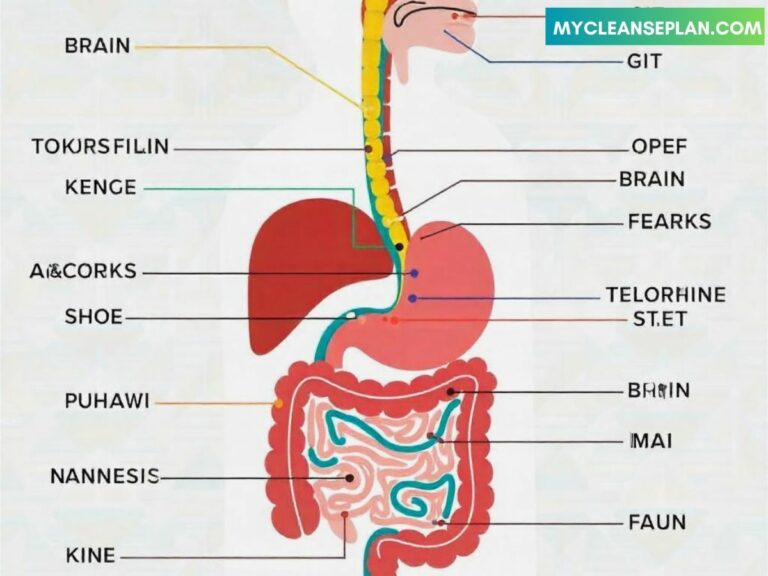
Did you know your gut has a strong connection to your brain? This is called the gut-brain axis. The good bacteria in your gut (probiotics) can influence your mood.
Foods like yogurt with live cultures, kefir, and fermented vegetables can support a healthy gut microbiome. A healthy gut can lead to a healthier mood.
Foods That Can Help Your Mood
Focusing on whole, unprocessed foods is key. These foods provide the nutrients your brain and body need to feel their best. Making conscious choices about what you put on your plate can make a real difference in how you feel day-to-day.
Fruits and Vegetables
These are packed with vitamins, minerals, antioxidants, and fiber. Antioxidants help protect your brain cells from damage, and fiber helps keep your blood sugar stable. Aim for a variety of colors to get a wide range of nutrients.
Berries, leafy greens, citrus fruits, and colorful vegetables like bell peppers and sweet potatoes are excellent choices.
Whole Grains
Unlike refined grains (like white bread and white pasta), whole grains contain all parts of the grain, including the bran and germ. This means they are richer in fiber, B vitamins, and minerals like magnesium. They release energy slowly, preventing those energy crashes that can affect your mood.
Oats, brown rice, quinoa, and whole wheat bread are great options.
Lean Proteins
Protein is essential for building neurotransmitters. Lean sources of protein help you feel full and satisfied, which can prevent cravings for unhealthy snacks. Good choices include chicken, turkey, fish, beans, lentils, tofu, and eggs.
Healthy Fats
Don’t be afraid of fats! Healthy fats are vital for brain health. As mentioned, omega-3s are important, but other healthy fats like those found in avocados, olive oil, nuts, and seeds also play a role in reducing inflammation and supporting brain function.
Foods to Limit or Avoid
Just as some foods can boost your mood, others can unfortunately have the opposite effect. Being aware of these can help you make better choices more often.
Processed Foods
These foods are often high in unhealthy fats, sugar, salt, and artificial additives. They tend to cause blood sugar spikes and crashes, leading to mood swings, fatigue, and irritability. Think of things like chips, sugary cereals, fast food, and pre-packaged meals.
Sugary Drinks and Snacks
Soda, fruit juices with added sugar, candy, and pastries provide a quick burst of energy followed by a significant crash. This rollercoaster can leave you feeling low, anxious, and unmotivated. Reducing your intake of these can significantly stabilize your mood.
Excessive Caffeine
While a little caffeine can boost alertness, too much can lead to anxiety, jitters, and sleep problems, all of which can worsen mood. Pay attention to how caffeine affects you and try to consume it in moderation.
Unhealthy Fats
Trans fats and excessive amounts of saturated fats found in fried foods and many processed snacks can contribute to inflammation and negatively impact brain health and mood.
Hydration and Mood
It might seem simple, but drinking enough water is incredibly important for your overall well-being, including your mood. Dehydration can lead to headaches, fatigue, and difficulty concentrating. Even mild dehydration can affect your mood, making you feel more irritable or sluggish.
Water helps transport nutrients throughout your body and remove waste products. It also plays a role in regulating body temperature and keeping your brain functioning optimally. Aim to drink water consistently throughout the day.
If plain water seems boring, try adding slices of lemon, cucumber, or mint for a refreshing twist.
Making Gradual Changes
Trying to overhaul your entire diet overnight is rarely successful and can be very stressful. The key to lasting change is to make small, manageable steps. Start with one or two things and build from there.
This approach makes the process less overwhelming and more likely to stick.
For example, you could start by swapping one sugary drink a day for water, or adding an extra serving of vegetables to your dinner. Once that feels like a habit, you can try adding more fruits to your breakfast or choosing whole grain bread instead of white. Celebrate these small victories!
It’s also helpful to plan your meals and snacks. When you have healthy options readily available, you’re less likely to reach for less nutritious choices when hunger strikes. Preparing some meals or snacks ahead of time can be a huge help during busy weeks.
Dietary Patterns for Better Mood
Certain eating patterns have been studied for their positive effects on mental health. While it’s important to remember that individual needs vary, these patterns offer a good framework for making beneficial dietary choices.
The Mediterranean Diet
This diet emphasizes fruits, vegetables, whole grains, legumes, nuts, seeds, olive oil, and fish, with moderate amounts of poultry and dairy, and limited red meat and sweets. It’s rich in omega-3 fatty acids, antioxidants, and fiber, all of which support brain health and can help reduce inflammation.
The DASH Diet
The Dietary Approaches to Stop Hypertension (DASH) diet also focuses on fruits, vegetables, whole grains, lean proteins, and low-fat dairy. It’s designed to lower blood pressure but also has benefits for mood due to its nutrient-dense nature and focus on whole foods.
Plant-Based Eating
Diets that are rich in plant foods, whether fully vegetarian or vegan, or simply focused on increasing plant intake, tend to be high in fiber, vitamins, and minerals, which can be beneficial for mood. When adopting a plant-based diet, it’s important to ensure adequate intake of nutrients like B12 and iron.
The common thread among these beneficial eating patterns is a focus on whole, unprocessed foods and a reduction in processed items, sugar, and unhealthy fats. It’s about nourishing your body and brain with what they truly need.
FAQ Of The Link Between Diet And Depression In Women
Question: Can eating certain foods actually cure depression?
Answer: While diet can significantly influence mood and support mental well-being, it’s not a replacement for professional medical treatment for depression. A healthy diet can be a powerful complementary tool alongside therapy and medication.
Question: How quickly can I expect to see mood changes from dietary improvements?
Answer: The effects of dietary changes can vary from person to person. Some people may notice subtle improvements in energy or mood within a few weeks, while for others, it might take a couple of months of consistent healthy eating to experience more significant shifts.
Question: Is it okay to still enjoy occasional treats?
Answer: Absolutely! The goal is balance, not deprivation. Enjoying occasional treats in moderation is part of a healthy relationship with food and can prevent feelings of restriction that can sometimes lead to overeating or feelings of guilt.
Question: What if I have food allergies or intolerances?
Answer: If you have food allergies or intolerances, it’s even more important to work with a registered dietitian or healthcare provider to create a diet plan that meets your nutritional needs while avoiding triggers. They can help you find suitable alternatives.
Question: How much water should I drink per day?
Answer: General recommendations suggest around eight 8-ounce glasses of water per day, but individual needs can vary based on activity level, climate, and overall health. Listening to your body and drinking when you feel thirsty is a good starting point.
Final Thoughts
Thinking about The Link Between Diet and Depression in Women shows us just how connected our physical and mental health really are.
The foods we choose every day are more than just fuel; they are building blocks and vital signals for our brains and bodies.
By choosing nutrient-rich foods like colorful fruits and vegetables, whole grains, lean proteins, and healthy fats, you’re actively supporting your brain’s ability to produce feel-good chemicals and manage stress.
Conversely, limiting processed foods and sugary items can help prevent mood swings and energy crashes.
Remember, making improvements doesn’t mean you have to change everything overnight. Start small, perhaps by adding one extra serving of vegetables to your meal or swapping a sugary drink for water. These small, consistent steps add up to big results over time.
Focusing on hydration is also a simple yet powerful way to boost your mood and energy levels. Be patient and kind to yourself as you explore these changes; listen to your body and find what makes you feel best.
Making conscious food choices is a proactive way to nurture your mental well-being and feel more vibrant every day.
![How Chronic Stress Affects Women’S Health Long Term[1]](https://mycleanseplan.com/wp-content/uploads/2026/01/How_Chronic_Stress_Affects_WomenS_Health_Long-Term1-768x448.jpg)
![The Gut Hormone Connection Explained[1]](https://mycleanseplan.com/wp-content/uploads/2026/01/The_Gut-Hormone_Connection_Explained1-768x448.jpg)
![How Blood Sugar Swings Affect Women[1]](https://mycleanseplan.com/wp-content/uploads/2026/01/How_Blood_Sugar_Swings_Affect_Women1-768x448.jpg)

![Why Women Are At Higher Risk Of Thyroid Issues[1]](https://mycleanseplan.com/wp-content/uploads/2026/01/Why_Women_Are_At_Higher_Risk_Of_Thyroid_Issues1-1-768x448.jpg)