
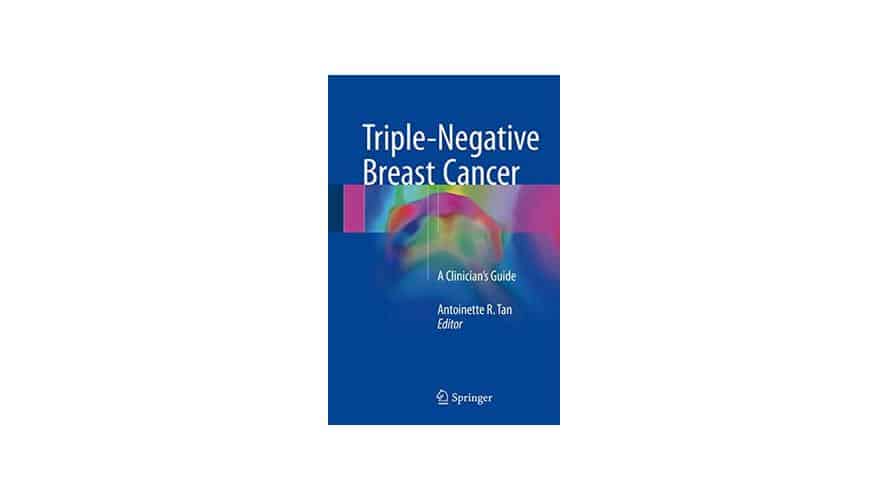
Triple-Negative Breast Cancer
-
- For clinicians seeking to deepen their understanding and enhance their treatment strategies for a particularly challenging form of breast cancer, the
Triple-Negative Breast Cancer: A Clinician’s Guide
-
- offers a focused and invaluable resource. This comprehensive guide aims to equip medical professionals with the latest knowledge and practical insights necessary to navigate the complexities of this disease effectively.
Key Features That Stand Out
-
-
- Health, Fitness & Dieting: While seemingly broad, this category indicates the guide’s potential to address the holistic aspects of patient care, including lifestyle recommendations relevant to managing the disease and recovery.
- Diseases & Physical Ailments: This core feature clearly positions the book as a specialized medical text dedicated to understanding and combating a specific health condition.
- Image Unavailable: While an image is not provided for the Kindle version’s cover, this does not detract from the book’s content itself.
- Compatibility with Kindle Scribe, 1st generation (2024 release): This highlights the modern digital accessibility of the guide, ensuring it can be used with the latest e-reading devices.
- Compatibility with Kindle Oasis (10th Generation): Further emphasizing its digital reach, the guide is accessible on a popular and high-quality Kindle device, allowing for a comfortable reading experience.
-

What We Like
-
-
- Specialized Focus: The guide’s dedicated attention to Triple-Negative Breast Cancer means it delves deeply into the nuances of this specific subtype, which is crucial given its unique treatment challenges.
- Clinician-Oriented Content: Designed for medical professionals, the content is expected to be technical, up-to-date, and directly applicable to clinical practice, offering practical advice and evidence-based strategies.
- Digital Accessibility: The availability in formats compatible with the Kindle Scribe and Kindle Oasis ensures that clinicians can easily access and read the material on modern e-readers, allowing for portability and convenient note-taking.
- Comprehensive Coverage (Implied): As a “Clinician’s Guide,” it strongly suggests a thorough exploration of diagnosis, staging, treatment options, emerging therapies, and supportive care.
-
Performance Analysis
-
-
- Content Depth: Based on its title and categorization as a guide for clinicians, the expected performance of Triple-Negative Breast Cancer: A Clinician’s Guide is high in terms of providing in-depth information on diagnosis, molecular biology, treatment pathways, and novel therapeutic approaches.
- Relevance to Practice: The guide is designed to be immediately relevant to medical practitioners, offering actionable insights and evidence-based recommendations that can be integrated into daily patient care.
- Digital Experience: The compatibility with devices like the Kindle Scribe and Kindle Oasis suggests a seamless digital reading experience, supporting features like search functionality, annotation, and adjustable text size, which are essential for clinical reference materials.
- Target Audience Suitability: The guide’s performance is judged by its ability to effectively educate and inform its target audience – clinicians – about the complexities of triple-negative breast cancer.
-
Best For
-
-
- Oncologists and Hematologists: This guide is ideal for specialists who directly manage breast cancer patients and need the most current information on treating triple-negative subtypes.
- Medical Researchers: Those involved in breast cancer research will find the detailed insights and discussions of emerging therapies highly beneficial for their work.
- Surgical Oncologists and Radiologists: Professionals involved in the diagnostic and surgical aspects of breast cancer can utilize this guide to understand the full scope of triple-negative disease and its treatment implications.
- Medical Students and Residents in Oncology Programs: For trainees, this book serves as an excellent educational tool to build a strong foundation in a challenging area of breast cancer.
- Nurses and Nurse Practitioners specializing in Oncology: These healthcare providers can benefit from the comprehensive overview to enhance their understanding and patient education.
-
Buying Guide
Key Features to Look For
-
-
- Specialized Topic Focus: Given the product, prioritize guides that specifically address Triple-Negative Breast Cancer, ensuring the content is targeted and relevant.
- Authoritative Authorship: Look for authors who are recognized experts in the field of oncology and breast cancer research.
- Up-to-Date Information: Medical knowledge evolves rapidly; ensure the publication date reflects recent advancements in diagnosis and treatment.
- Clinical Applicability: The guide should offer practical, evidence-based strategies that clinicians can readily apply in their practice.
- Digital Compatibility: For convenience, check if the guide is available in e-book formats compatible with your preferred reading devices, such as Kindle Scribe or Oasis.
-
Important Materials
Given that this is a guide in digital format, the “materials” refer to the quality of the digital content itself.
This includes the clarity of text, the accuracy of medical information, and the ease of navigation within the e-book.
Essential Factors to Consider
-
-
- Scope of Coverage: Does it cover diagnosis, staging, molecular subtypes, treatment options (chemotherapy, immunotherapy, targeted therapies), clinical trials, and survivorship?
- Target Audience Appropriateness: Ensure the language and depth of information are suitable for a clinician’s level of expertise.
- Usability on Devices: If purchasing a digital version, confirm compatibility with your e-reader or tablet for optimal reading and annotation.
- Interactivity Features (for E-books): Features like searchable text, linked references, and the ability to highlight or add notes can significantly enhance usability.
-
Budget Planning
The cost of specialized medical guides can vary widely. Consider the value of the information provided in relation to its price.
Often, a comprehensive guide like Triple-Negative Breast Cancer: A Clinician’s Guide represents a worthwhile investment in professional development and improved patient care, potentially saving costs in the long run through better treatment decisions.
When to Buy
The best time to purchase a guide like this is when you encounter new challenges in treating triple-negative breast cancer, when significant new research findings are published, or when you are involved in a rotation or specialization related to oncology.
Staying current with medical literature is an ongoing process, making this guide a valuable addition to your professional library at any time.
Final Thoughts
The Triple-Negative Breast Cancer: A Clinician’s Guide appears to be an essential resource for medical professionals dedicated to combating this formidable disease.
Its specialized focus ensures that clinicians can access precise, up-to-date information crucial for effective patient management.
The integration of modern digital accessibility, with compatibility for devices like the Kindle Scribe and Kindle Oasis, further enhances its utility by allowing for convenient and portable reference.
For any clinician involved in the care of breast cancer patients, particularly those focusing on the complex and challenging triple-negative subtype, this guide represents a valuable investment in knowledge and clinical expertise.
FAQ Of Triple-Negative Breast Cancer
What makes triple-negative breast cancer different from other types?
Triple-negative breast cancer is distinct because the cancer cells lack three specific receptors that are commonly found in other breast cancers: estrogen receptors (ER), progesterone receptors (PR), and HER2 protein. This absence means common treatments like hormone therapy and HER2-targeted drugs are ineffective.
Is this guide suitable for patients or only for clinicians?
This guide is specifically titled u0022A Clinician’s Guide,u0022 indicating that its content is tailored for medical professionals with a background in healthcare and medical terminology. It is not intended for direct use by patients.
What kind of medical information can I expect to find in this guide?
You can expect detailed information on the epidemiology, genetics, pathology, diagnostic techniques, staging, current and experimental treatment modalities, and u003ca href=u0022https://mycleanseplan.com/early-breast-cancer-from-screening-to-multidisciplinary-mana/u0022 title=u0022Early Breast Cancer: From Screening to Managementu0022 target=u0022_blanku0022 rel=u0022noopeneru0022 data-wpil-replace=u0022u0022u003emanagement of side effects related to triple-negative breast canceru003c/au003e.
How does compatibility with Kindle devices benefit a clinician?
Compatibility with Kindle Scribe and Kindle Oasis means clinicians can access this vital information on portable, high-resolution devices, allowing for easy reading, highlighting, note-taking, and quick searching of key terms during patient consultations or study sessions.
Does the guide cover the latest advancements in immunotherapy for triple-negative breast cancer?
While the specific table of contents isn’t provided, a comprehensive clinician’s guide to triple-negative u003ca href=u0022https://mycleanseplan.com/breast-cancer-emerging-cancer-therapeutics-review/u0022 title=u0022Breast Cancer (Emerging Cancer Therapeutics)u0022 target=u0022_blanku0022 rel=u0022noopeneru0022 data-wpil-replace=u0022u0022u003ebreast cancer would be expected to cover emergingu003c/au003e areas like immunotherapy, given its growing importance in the treatment landscape.
Is the information in this guide based on peer-reviewed research?
Medical guides for clinicians are typically based on peer-reviewed research, clinical trial data, and established medical guidelines to ensure the information is accurate and evidence-based.


