
What Happens To Hormones During Perimenopause
Key Takeaways
- Perimenopause involves fluctuating hormone levels, especially estrogen and progesterone.
- These hormonal shifts can cause a wide range of physical and emotional symptoms.
- The length and intensity of perimenopause vary greatly from person to person.
- Tracking your cycle and symptoms can provide valuable insights into hormonal changes.
- Lifestyle choices can help manage perimenopausal symptoms.
Perimenopause can feel like a puzzle, and figuring out What Happens to Hormones During Perimenopause is a big part of it.
It’s totally normal if this topic seems a bit confusing at first. Many people find the changes hard to track.
But don’t worry, we’ll break it down simply, step-by-step. Get ready to learn what’s happening inside your body.
![What Happens To Hormones During Perimenopause[1]](https://mycleanseplan.com/wp-content/uploads/2026/01/What_Happens_To_Hormones_During_Perimenopause1.jpg)
Understanding Perimenopause Hormone Changes
Perimenopause is the period leading up to menopause, and it’s a time when your body’s hormone levels start to change. Think of it as your reproductive system winding down. This process doesn’t happen overnight; it can take several years.
The main players in this hormonal dance are estrogen and progesterone, two key hormones produced by your ovaries.
During your reproductive years, your ovaries release an egg each month and produce hormones that prepare your body for pregnancy. This happens in a fairly predictable cycle. However, as you approach perimenopause, your ovaries begin to work a little less predictably.
They don’t release eggs as regularly, and this irregularity is the root cause of many of the hormonal shifts you might experience.
Estrogen: The Rollercoaster Ride
Estrogen is a group of hormones that play a vital role in many aspects of a woman’s health, not just reproduction. It affects your mood, skin, bones, and even your sleep patterns. During perimenopause, estrogen levels start to become erratic.
Instead of a steady rise and fall each month, estrogen can swing wildly. You might have months with higher-than-usual estrogen levels, followed by months with much lower levels.
These fluctuations are often responsible for many common perimenopause symptoms. For instance, sudden drops in estrogen can lead to hot flashes and night sweats. Think of a hot flash as your body’s thermostat going haywire.
It’s a sudden feeling of intense heat that can spread through your body, often accompanied by sweating and a rapid heartbeat. Night sweats are simply hot flashes that happen while you’re sleeping, which can disrupt your rest.
On the flip side, periods of higher estrogen can sometimes lead to symptoms like breast tenderness or mood swings. It’s this unpredictability that makes it challenging to pinpoint exactly what’s happening. One month you might feel relatively normal, and the next, you could be experiencing a whole new set of symptoms.
This up-and-down nature of estrogen is a hallmark of perimenopause.
Progesterone: The Calming Influence Wanes
Progesterone is another crucial hormone. It’s primarily involved in preparing the uterus for pregnancy and then maintaining it. Progesterone also has a calming effect on the body and can help with sleep and mood regulation.
During perimenopause, progesterone production often declines earlier and more consistently than estrogen. This means you might have fewer ovulatory cycles, and when you do ovulate, the corpus luteum (the part of the ovary that produces progesterone after ovulation) may not produce as much.
The imbalance between estrogen and progesterone is a key factor in many perimenopausal changes. Even if estrogen levels are still relatively high, a significant drop in progesterone can throw things off. This can lead to symptoms like increased anxiety, irritability, and difficulty sleeping.
Some women might also notice changes in their menstrual cycle, such as lighter or heavier bleeding, or cycles that become more or less frequent.
When progesterone is lower, the effects of estrogen can become more pronounced, sometimes leading to what’s called estrogen dominance. This doesn’t necessarily mean your estrogen is too high, but rather that it’s not balanced by enough progesterone. Symptoms of estrogen dominance can include bloating, breast tenderness, and moodiness.
It highlights how important the balance between these two hormones is.
Other Hormones Involved
While estrogen and progesterone are the stars of the perimenopausal show, other hormones also play a role, though their changes might be less dramatic or direct. For example, follicle-stimulating hormone (FSH) and luteinizing hormone (LH) are produced by the pituitary gland in your brain. These hormones signal the ovaries to produce estrogen and progesterone and to release eggs.
As your ovaries become less responsive and produce less estrogen, your pituitary gland works harder to stimulate them. This means FSH and LH levels often start to rise during perimenopause. Higher FSH levels are actually a marker that a woman is approaching menopause.
These rising levels are your body’s attempt to “wake up” the ovaries and get them to do their job.
Thyroid hormones can also be affected by the hormonal shifts of perimenopause. The thyroid gland regulates your metabolism, and changes in thyroid function can sometimes mimic or worsen perimenopause symptoms like fatigue, weight changes, and mood disturbances. It’s why sometimes doctors will check your thyroid when you discuss perimenopausal symptoms.
Recognizing the Signs of Hormonal Shifts
The symptoms of perimenopause are incredibly varied because hormone levels fluctuate so much. What one person experiences can be quite different from another. However, some common signs point to these hormonal changes:
- Irregular Periods: This is often one of the first and most noticeable signs. Your periods might become shorter or longer, lighter or heavier, or you might skip a month altogether.
- Hot Flashes and Night Sweats: As mentioned, these are very common and are directly linked to declining estrogen levels.
- Sleep Disturbances: Difficulty falling asleep, staying asleep, or waking up feeling unrested can be due to hormone changes, particularly lower progesterone and the disruptive nature of night sweats.
- Mood Changes: Increased irritability, anxiety, feeling down, or even mood swings can be linked to fluctuating estrogen and progesterone.
- Vaginal Dryness: Lower estrogen can lead to thinning and drying of vaginal tissues, causing discomfort during sex.
- Changes in Libido: Some women experience a decrease in sex drive, while others might not notice a significant difference.
- Fatigue: Persistent tiredness can be a symptom of hormonal imbalance and disrupted sleep.
- Brain Fog: Some people describe difficulty concentrating or memory issues, sometimes referred to as “brain fog.”
It’s important to remember that perimenopause is a natural life stage. While the symptoms can be challenging, they are a sign that your body is transitioning. Tracking your symptoms and your menstrual cycle can be incredibly helpful in understanding what might be happening with your hormones.
Many women find keeping a diary of their symptoms, their cycle dates, and even their mood can provide valuable insights for themselves and their healthcare providers.
The Length and Variability of Perimenopause
One of the trickiest parts of perimenopause is that it doesn’t follow a set timeline. The duration and intensity of symptoms can vary greatly from woman to woman. For some, perimenopause might last only a couple of years, while for others, it can stretch out for eight to ten years or even longer.
The average age for perimenopause to begin is around age 47, but it can start much earlier, sometimes in the late 30s or early 40s. The end of perimenopause is marked by menopause itself, which is officially defined as having gone 12 consecutive months without a period. Once you reach menopause, your ovaries have essentially stopped releasing eggs and producing significant amounts of estrogen and progesterone.
The hormonal rollercoaster you experience during perimenopause is what causes the symptoms. As your hormone levels begin to stabilize at a lower baseline after menopause, some symptoms might lessen, while others, like vaginal dryness, might persist or even worsen without hormone therapy. The transition period of perimenopause is where the most dramatic hormonal fluctuations typically occur.
Managing Symptoms Through Lifestyle
While you can’t stop perimenopause or completely control hormonal shifts, you can take steps to manage the symptoms and support your body. Lifestyle choices play a significant role in how you feel during this time.
Diet and Nutrition
A balanced diet rich in whole foods can make a big difference. Focusing on fruits, vegetables, lean proteins, and healthy fats can help regulate your mood and energy levels. Some nutrients are particularly helpful:
- Calcium and Vitamin D: Important for bone health as estrogen levels decline.
- Phytoestrogens: Found in foods like soy, flaxseeds, and legumes, these compounds have a weak estrogen-like effect and may help with hot flashes for some women.
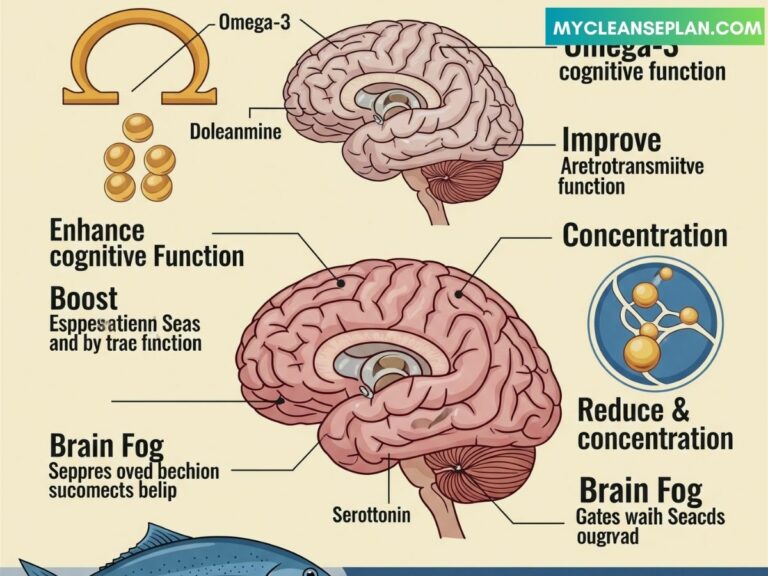
- Omega-3 Fatty Acids: Found in fatty fish, nuts, and seeds, these can help with mood and inflammation.
Limiting processed foods, excessive sugar, and caffeine can also help reduce symptom severity for some individuals, particularly hot flashes and sleep disturbances.
Exercise and Movement
Regular physical activity is crucial. It can help manage weight, improve mood, boost energy, and improve sleep quality. Weight-bearing exercises are especially important for maintaining bone density.
Aim for a mix of aerobic exercise (like brisk walking, swimming, or cycling) and strength training.
Stress Management
Stress can exacerbate many perimenopausal symptoms, including mood swings and sleep problems. Finding healthy ways to manage stress is key. This could include:
- Mindfulness and Meditation: Practicing daily meditation or mindfulness can help calm the nervous system.
- Yoga and Tai Chi: These gentle practices combine movement, breathwork, and relaxation.
- Deep Breathing Exercises: Simple yet effective for reducing immediate feelings of stress.
- Adequate Sleep: Prioritizing sleep, even when it’s challenging, is vital for overall well-being.
Herbal Remedies and Supplements
Many women explore herbal remedies and supplements to help with perimenopausal symptoms. Some commonly discussed options include:
- Black Cohosh: Often used for hot flashes and night sweats.
- Dong Quai: Traditionally used for women’s health issues.
- Ginseng: May help with mood and energy.
- Evening Primrose Oil: Sometimes used for breast tenderness and hot flashes.
It’s very important to talk to your healthcare provider before starting any new supplements, as they can interact with medications or have side effects. They can also help you choose options that are appropriate for your specific needs.
When to Seek Medical Advice
While perimenopause is a natural process, it’s always a good idea to discuss your symptoms with a doctor or other healthcare provider. They can help rule out other medical conditions that might be causing similar symptoms and can offer personalized advice and treatment options if needed. This might include discussing hormone replacement therapy (HRT) or other medications that can help manage severe symptoms.
Don’t hesitate to seek help if your symptoms are significantly impacting your quality of life, your sleep, your mood, or your relationships. Your healthcare provider can also offer guidance on managing vaginal dryness, changes in libido, and any concerns about bone health.
FAQ Of What Happens To Hormones During Perimenopause
Question: When does perimenopause typically start?
Answer: Perimenopause usually begins in a woman’s mid-40s, but it can start earlier, sometimes as early as the late 30s. The exact timing varies greatly for each individual.
Question: Are hot flashes a guaranteed symptom of perimenopause?
Answer: Hot flashes are a very common symptom, but not everyone experiences them. Their intensity and frequency also differ significantly among women.
Question: Can I still get pregnant during perimenopause?
Answer: Yes, pregnancy is still possible during perimenopause because ovulation can still occur, even if irregularly. It’s important to use contraception if you do not wish to become pregnant until you have reached menopause.
Question: How long does perimenopause usually last?
Answer: The duration of perimenopause can range from a few years to over a decade. It officially ends when a woman has not had a menstrual period for 12 consecutive months, marking the start of menopause.
Question: What are the main hormones changing during perimenopause?
Answer: The primary hormones experiencing significant fluctuations during perimenopause are estrogen and progesterone, produced by the ovaries. Levels of FSH and LH from the pituitary gland also tend to rise.
Final Thoughts
Navigating the hormonal shifts of perimenopause can feel like a lot, with fluctuating estrogen and progesterone levels causing a wide range of changes.
Understanding that these hormone ups and downs are normal can bring a sense of relief. It’s a biological process that signals a transition, and many women find their symptoms vary in intensity and duration.
Paying attention to your body, perhaps by keeping a symptom journal, can provide valuable insights.
Don’t underestimate the power of lifestyle choices; adjusting your diet to include nutrient-rich foods, staying active with regular exercise, and finding effective ways to manage stress can make a real difference in how you feel day-to-day.
Even small changes can contribute to better sleep, improved mood, and a greater sense of well-being during this phase.
Remember that seeking support from healthcare professionals is a wise step, offering personalized guidance and helping to ensure your overall health is well-supported as you move through this natural life stage.
![How Nutrition Affects Women’S Mental Health[1]](https://mycleanseplan.com/wp-content/uploads/2026/01/How_Nutrition_Affects_WomenS_Mental_Health1-768x448.jpg)
![How Women’S Nutrition Needs Differ From Men[1]](https://mycleanseplan.com/wp-content/uploads/2026/01/How_WomenS_Nutrition_Needs_Differ_From_Men1-768x448.jpg)
![How Female Hormones Change With Age[1]](https://mycleanseplan.com/wp-content/uploads/2026/01/How_Female_Hormones_Change_With_Age1-768x448.jpg)
![How Menopause Changes Metabolism[1]](https://mycleanseplan.com/wp-content/uploads/2026/01/How_Menopause_Changes_Metabolism1-768x448.jpg)
![Why Hormonal Imbalance Causes Weight Gain[1]](https://mycleanseplan.com/wp-content/uploads/2026/01/Why_Hormonal_Imbalance_Causes_Weight_Gain1-768x448.jpg)