Why Preventive Nutrition Matters For Women
Key Takeaways
- Preventive nutrition helps women stay healthy by giving their bodies the right building blocks.
- It’s about eating well to avoid future health problems, not just fixing issues.
- Specific nutrients are super important for women’s health at different life stages.
- Making small, good food choices can have a big positive effect over time.
- Good food helps with energy, mood, and strong bones and muscles.
Thinking about food and health can feel like a lot sometimes, right? Especially when you hear about Why Preventive Nutrition Matters for Women. It might seem complicated, like there’s a secret code to cracking it.
But really, it’s just about making smart choices to feel your best, now and later. We’re going to break it all down super simply, step by step, so it’s easy to get. What we’ll explore next will make these ideas clear and helpful.
![Why Preventive Nutrition Matters For Women[1]](https://mycleanseplan.com/wp-content/uploads/2026/01/Why_Preventive_Nutrition_Matters_For_Women1.jpg)
Why Preventive Nutrition Matters for Women
Women’s bodies go through a lot of changes during their lives. From monthly cycles to pregnancy and later years, these stages need different kinds of support. Preventive nutrition is all about giving your body what it needs before problems start.
It’s like giving your car the right oil and checks to keep it running smoothly for a long time, instead of waiting for it to break down.
Fueling Your Body for Life
Think of food as fuel and building materials for your body. When you eat a balanced diet, you’re giving your cells the nutrients they need to work properly. This means stronger bones, a healthier heart, better brain function, and a strong immune system.
For women, certain nutrients are especially important. For example, iron is key to carrying oxygen in the blood, which helps with energy levels and can prevent fatigue. Calcium and Vitamin D are vital for strong bones, reducing the risk of osteoporosis later in life.
Understanding Your Body’s Needs
Women have unique nutritional needs that can shift over time. During the reproductive years, iron and folate are critical. Folate, in particular, is super important for women who might become pregnant because it helps prevent certain birth defects.
As women enter menopause, changes in hormone levels can affect bone density and metabolism, making calcium, Vitamin D, and other nutrients even more important for maintaining health and preventing weight gain.
Beyond Just Eating Healthy
Preventive nutrition is more than just “eating healthy.” It’s about being proactive. It means making informed choices about the foods you eat to support your body’s long-term well-being. This can include focusing on whole foods like fruits, vegetables, lean proteins, and whole grains.
It also means being mindful of what you might be missing and considering how to get those nutrients, whether through food or sometimes supplements, under the guidance of a healthcare provider.
The Impact on Energy and Mood
What you eat directly affects how you feel every day. A diet rich in nutrients can lead to more stable energy levels, helping you avoid those mid-afternoon slumps. It can also play a role in regulating your mood.
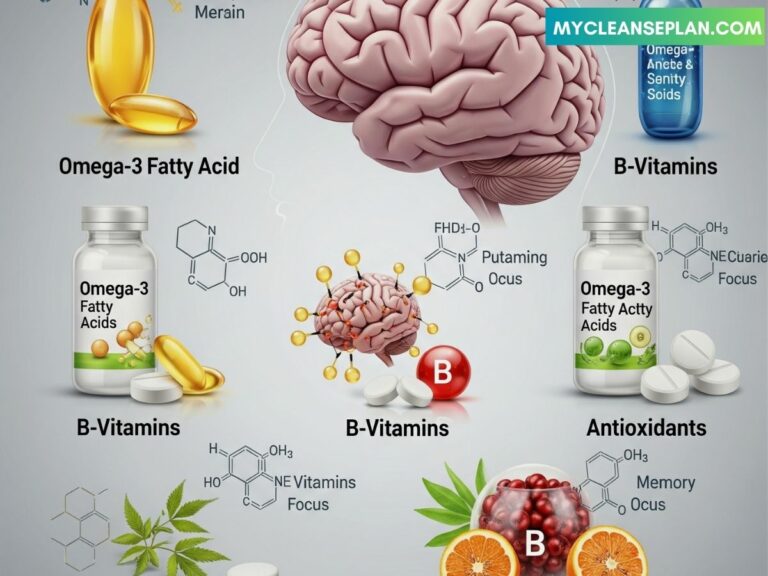
For instance, omega-3 fatty acids found in fish and seeds are thought to support brain health and may help with feelings of well-being. Conversely, diets high in processed foods and sugar can contribute to fatigue and mood swings.
Building Strong Bones for the Future
Bone health is a significant concern for women as they age. Osteoporosis, a condition where bones become weak and brittle, is more common in women, especially after menopause. Adequate intake of calcium and vitamin D throughout life is essential for building and maintaining strong bones.
This means including dairy products, leafy green vegetables, and fortified foods in your diet, and getting enough sunlight to help your body absorb vitamin D.
Gut Health: The Foundation of Well-being
Your gut health is surprisingly linked to many aspects of your overall health, including your immune system and even your mood. A healthy gut relies on a diverse diet rich in fiber from fruits, vegetables, and whole grains. Probiotic-rich foods like yogurt and fermented vegetables can also help support a healthy balance of gut bacteria.
When your gut is happy, your whole body tends to function better.
The Role of Antioxidants
Antioxidants are like tiny protectors for your cells. They help fight off damage caused by free radicals, which are unstable molecules that can contribute to aging and disease. Fruits and vegetables, especially those with bright colors like berries, spinach, and carrots, are packed with antioxidants.
Including a variety of these foods in your diet helps support your body’s defense system.
Hydration: Don’t Forget Water!
It sounds simple, but staying properly hydrated is a crucial part of preventive nutrition. Water is involved in almost every bodily function, from digestion and nutrient transport to temperature regulation. Dehydration can lead to fatigue, headaches, and poor concentration.
Aim to drink plenty of water throughout the day, and include hydrating foods like watermelon and cucumber.
Making Smart Food Choices Work for You
Preventive nutrition isn’t about strict rules or deprivation. It’s about making conscious, positive choices that fit your lifestyle. This could mean swapping out sugary drinks for water, adding a handful of spinach to your smoothie, or choosing whole-wheat bread over white.
Small, consistent changes can add up to significant benefits over time. Focusing on what you can add to your diet, rather than what you must take away, can make the process feel more enjoyable and sustainable.
Nutrients to Pay Attention To
While a varied diet is key, there are specific nutrients that warrant extra attention for women’s health. Let’s look at a few:
| Nutrient | Why it’s Important for Women | Good Sources |
|---|---|---|
| Iron | Helps prevent anemia, supports energy levels. Crucial during menstruation. | Red meat, beans, lentils, spinach, fortified cereals. |
| Calcium | Essential for strong bones and teeth, muscle function. Reduces osteoporosis risk. | Dairy products, leafy greens, fortified plant milks, tofu. |
| Vitamin D | Works with calcium to build strong bones, supports immune function. | Sunlight exposure, fatty fish (salmon, mackerel), fortified foods, egg yolks. |
| Folate (Folic Acid) | Important for cell growth, crucial before and during pregnancy. | Leafy green vegetables, beans, fortified grains, citrus fruits. |
| Omega-3 Fatty Acids | Supports brain health, heart health, and can help with inflammation. | Fatty fish (salmon, sardines), flaxseeds, chia seeds, walnuts. |
| Fiber | Aids digestion, helps manage blood sugar, promotes fullness, supports gut health. | Fruits, vegetables, whole grains, beans, nuts, seeds. |
Paying attention to these nutrients can make a real difference in how you feel and your long-term health. It’s about building a strong foundation for your body.
FAQ Of Why Preventive Nutrition Matters For Women
Question: What is the main goal of preventive nutrition for women?
Answer: The main goal is to help women stay healthy and reduce their risk of developing certain health problems later in life by providing their bodies with the nutrients they need.
Question: Why is iron so important for women’s health?
Answer: Iron is vital for carrying oxygen in the blood. Women can lose iron through menstruation, so it’s important to get enough to prevent fatigue and anemia.
Question: How does diet affect mood?
Answer: What you eat can influence brain chemistry. Nutrients like omega-3 fatty acids and B vitamins can play a role in supporting a positive mood, while diets high in sugar can sometimes lead to mood swings.
Question: Is it hard to get enough calcium without dairy?
Answer: No, it’s definitely possible! Many other foods like leafy green vegetables (kale, broccoli), fortified plant-based milks and juices, tofu, and certain fish with edible bones are good sources of calcium.
Question: When should I start thinking about preventive nutrition?
Answer: You can start thinking about preventive nutrition at any age! The earlier you adopt healthy eating habits, the greater the long-term benefits for your health and well-being.
Final Thoughts
Taking care of your body through smart food choices is a powerful way to support your health at every stage of life.
It’s about nourishing yourself from the inside out, giving your body the tools it needs to function at its best and ward off potential issues.
Focusing on whole, nutrient-rich foods like colorful fruits and vegetables, lean proteins, and healthy fats provides the building blocks for strong bones, a healthy heart, and a sharp mind.
Don’t forget the importance of fiber for digestion and gut health, and staying well-hydrated. Making these simple adjustments isn’t about perfection, but about making consistent, positive choices that feel good and support your long-term vitality. Start by adding one new healthy food to your week, or swapping out a less healthy option.
These small steps can lead to big changes, helping you feel more energized, balanced, and ready to take on whatever comes your way.
![Why Women Have More Sleep Problems[1]](https://mycleanseplan.com/wp-content/uploads/2026/01/Why_Women_Have_More_Sleep_Problems1-768x448.jpg)
![Why Menopause Causes Weight Gain[1]](https://mycleanseplan.com/wp-content/uploads/2026/01/Why_Menopause_Causes_Weight_Gain1-768x448.jpg)