Why Weight Retention Happens After Pregnancy
Key Takeaways
- You’ll learn the common biological and lifestyle reasons behind post-pregnancy weight retention.
- Discover how hormonal shifts play a role in your body’s ability to lose weight.
- Understand the impact of sleep deprivation on your metabolism and appetite.
- Explore how changes in diet and eating habits can affect weight.
- Learn about the role of stress and emotional well-being in weight management.
- Find out how to approach getting back in shape in a healthy, sustainable way.
It’s really common for new moms to wonder Why Weight Retention Happens After Pregnancy. You just went through something amazing, but then you look in the mirror and a few extra pounds seem to be sticking around. It can feel confusing, especially when you’re already tired and adjusting to so much.
Don’t worry, though! This isn’t some big mystery. We’ll break down the main reasons in a way that makes sense, step-by-step, so you can feel more in control.
Let’s get started by looking at what happens next.
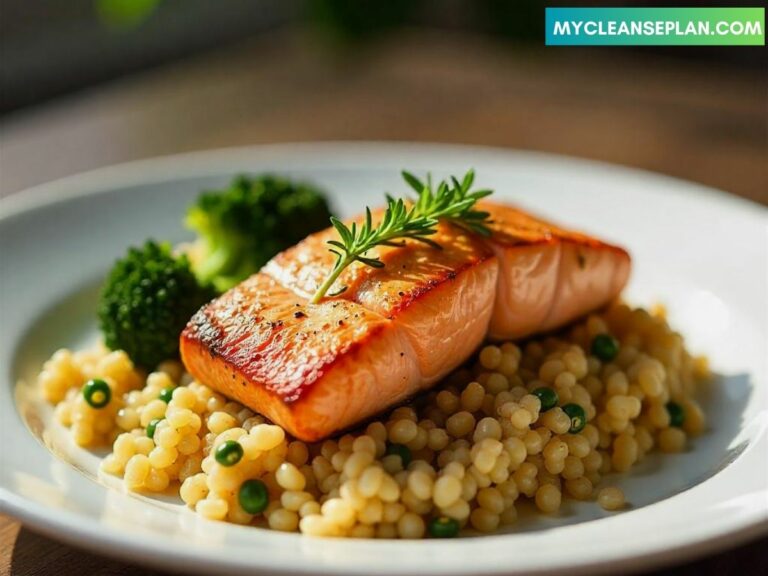
![Why Weight Retention Happens After Pregnancy[1]](https://mycleanseplan.com/wp-content/uploads/2026/01/Why_Weight_Retention_Happens_After_Pregnancy1.jpg)
Why Weight Retention Happens After Pregnancy
The Body’s Big Adjustments
Pregnancy is an incredible feat of nature, and your body works overtime to grow a whole new human. After the baby arrives, your body needs time to recover and readjust. This period is a significant one, and it’s completely normal for weight loss to feel slow or even stalled.
Think of it as your body settling back into its non-pregnant rhythm.
Hormonal Harmony (or Disharmony)
Hormones are the chemical messengers that run your body, and pregnancy is a rollercoaster of hormonal changes. After delivery, these hormones, like estrogen and progesterone, start to return to their pre-pregnancy levels. This shift can affect everything from your mood to how your body stores fat and processes energy.
Specifically, hormones like cortisol, which rises with stress, can also encourage your body to hold onto weight, especially around the abdomen.
Estrogen and Progesterone Shifts
During pregnancy, high levels of estrogen and progesterone help support the developing baby and prepare your body for childbirth. After birth, these levels drop significantly. This decrease can influence your metabolism and how your body uses and stores fat.
For some women, this hormonal recalibration can make it harder to shed the extra pounds gained during pregnancy.
Cortisol and Stress
New parenthood is often accompanied by a great deal of stress, and this can lead to elevated levels of cortisol. Cortisol is a hormone released in response to stress. When cortisol levels are consistently high, it can signal your body to conserve energy by storing more fat, particularly in the abdominal area.
This is a survival mechanism, but it can be counterproductive when you’re trying to lose weight.
The Sleep Deprivation Factor
Sleep is often the first thing to go when a new baby arrives. Frequent wake-ups for feedings and diaper changes mean you’re likely not getting enough quality sleep. This lack of sleep has a surprising impact on weight.
When you’re sleep-deprived, your body produces more ghrelin, a hormone that makes you feel hungry, and less leptin, a hormone that makes you feel full. This can lead to increased cravings for calorie-dense foods and overeating.
Impact on Appetite Hormones
Studies have shown a direct link between insufficient sleep and changes in appetite-regulating hormones. You might find yourself feeling hungrier than usual, especially for sugary or high-fat snacks. This hormonal imbalance can make sticking to a healthy eating plan much more challenging.
Metabolic Slowdown
When you don’t get enough sleep, your metabolism can also slow down. Your body might not burn calories as efficiently, making it harder for your body to use up stored energy. This can contribute to weight retention, even if you’re trying to eat well.
Changes in Diet and Eating Habits
The demands of caring for a newborn often mean less time for yourself, including meal preparation. Many new mothers find themselves grabbing quick, convenient foods that may not be the healthiest choices. Snacking on processed foods, skipping meals, or eating on the go can all contribute to consuming more calories than you realize.
The Convenience Factor
When you’re exhausted and have a baby to tend to, elaborate cooking is often out of the question. Pre-packaged snacks, fast food, and pre-made meals might seem like lifesavers, but they can also be loaded with sugar, unhealthy fats, and excess sodium, all of which can hinder weight loss.
Emotional Eating
The postpartum period can be an emotional time. Feelings of stress, anxiety, or even joy can lead to emotional eating. For some, food becomes a source of comfort, and this can lead to overconsumption of calories, making weight retention more likely.
Reduced Physical Activity
Before pregnancy, you might have had a regular exercise routine. With a new baby, finding the time and energy for workouts becomes much harder. Daily activities might decrease, and the sheer exhaustion of new motherhood can make even a short walk feel like too much effort.
Less movement means fewer calories burned.
The “Mommy Brain” and Energy Levels
It’s not just about finding the time; it’s also about energy levels. Many new mothers experience what’s commonly called “mommy brain,” which can include fatigue and a general lack of motivation. This makes it tough to get back into any kind of physical routine.
Muscle Loss During Pregnancy
While your body is focused on growing a baby, there can be some loss of muscle mass. Muscle tissue burns more calories at rest than fat tissue. If your muscle mass has decreased, your resting metabolic rate may also be lower, meaning you burn fewer calories throughout the day, which can contribute to weight retention.
Fluid Retention
It’s common for women to retain fluid for a period after giving birth. This can be due to hormonal changes and the body adjusting back to its normal state. This extra fluid can contribute to a higher number on the scale, even if it’s not actual body fat.
Medical Factors
While less common, certain medical conditions can also play a role in weight retention after pregnancy. Thyroid issues, for instance, can slow down your metabolism. If you’re concerned that medical factors might be at play, it’s always a good idea to speak with your doctor.
Patience and Realistic Expectations
It took nine months to gain the weight, and it will likely take time to lose it. Your body has gone through a major event. Focusing on healing and caring for your baby is the priority.
Setting unrealistic expectations for rapid weight loss can lead to frustration and discouragement, making it harder to make positive changes.
The Role of Breastfeeding
For many women, breastfeeding can help with weight loss because it burns extra calories. However, this isn’t true for everyone. Some women find that breastfeeding helps them maintain their weight or even gain a little, especially if they’re consuming extra calories to support milk production.
The hormonal changes associated with breastfeeding can also affect how your body sheds weight.
FAQ Of Why Weight Retention Happens After Pregnancy
Question: How long does it usually take to lose pregnancy weight?
Answer: There’s no one-size-fits-all answer, as everyone’s body is different. Generally, it’s a gradual process that can take several months to a year or more. Focus on healthy habits rather than a strict timeline.
Question: Should I start exercising right away after giving birth?
Answer: Your doctor will advise on when it’s safe for you to start exercising. Usually, gentle activities like walking are okay after a vaginal birth once you feel up to it, but more strenuous exercise will need to wait for your postpartum check-up and doctor’s approval.
Question: What are some easy, healthy snacks for busy new moms?
Answer: Good options include fruit, yogurt, a handful of nuts, hard-boiled eggs, or whole-grain crackers with cheese. Keep them readily available for quick energy boosts.
Question: Is it normal to feel like I’m not losing weight at all?
Answer: Yes, it’s very normal! Your body is recovering, and there are many factors at play. Focus on nourishing yourself and your baby, and the weight loss will likely happen at its own pace.
Question: How important is hydration for postpartum weight loss?
Answer: Hydration is very important! Drinking enough water can help with metabolism, energy levels, and can sometimes help you feel fuller, which may reduce overeating.
Final Thoughts
It’s important to remember that the changes your body experiences after pregnancy are significant, and weight retention is a very common part of that process.
Hormonal shifts, lack of sleep, and lifestyle adjustments all play a role, and it’s completely understandable why shedding those extra pounds can feel like a challenge.
Instead of focusing on a strict diet or intense exercise right away, try to be kind to yourself and focus on nourishing your body with healthy foods and getting as much rest as you can.
Small, consistent steps are much more effective than trying to do too much too soon. Prioritize self-care, celebrate the little victories, and trust that your body is doing its best to heal and adjust.
You’ve got this, and focusing on your well-being will naturally support your body’s return to a healthier weight over time.
![What Estrogen Does In The Female Body[1]](https://mycleanseplan.com/wp-content/uploads/2026/01/What_Estrogen_Does_In_The_Female_Body1-768x448.jpg)
![Why Menopause Causes Weight Gain[1]](https://mycleanseplan.com/wp-content/uploads/2026/01/Why_Menopause_Causes_Weight_Gain1-768x448.jpg)
![How Lifestyle Affects Hormonal Aging In Women[1]](https://mycleanseplan.com/wp-content/uploads/2026/01/How_Lifestyle_Affects_Hormonal_Aging_In_Women1-768x448.jpg)
![What Causes Chronic Digestive Issues In Women[1]](https://mycleanseplan.com/wp-content/uploads/2026/01/What_Causes_Chronic_Digestive_Issues_In_Women1-768x448.jpg)